Last Updated: March 24, 2026
Reading Time: 20 min read
Introduction: Why You Should Experience a Japanese Festival
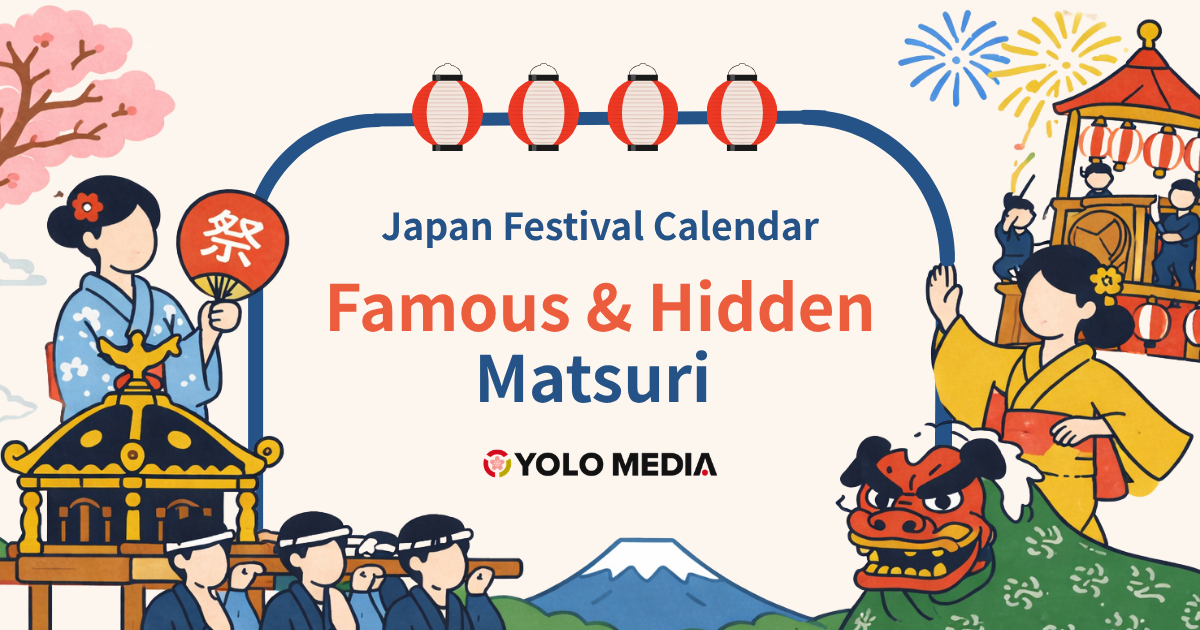
If you’ve lived in Japan for a few months or several years, you might have wondered: “What’s that drum sound in my neighborhood?” or “Where can I see a famous festival?” In Japan, “matsuri” (festivals) are not just tourist events. They are special moments when the entire town comes alive with energy, offering a unique glimpse into the heart of Japanese tradition and vitality.
Don’t worry if you’re not fluent in Japanese! The rhythmic chants, the delicious smells from food stalls, and the deep reverberation of taiko drums communicate a sense of joy and excitement that transcends any language barrier. In this article, we’ve rounded up the major festivals scheduled for 2026 and 2027 across Japan, along with practical tips to ensure you have an unforgettable and stress-free experience.
Going to a festival is about more than just sightseeing; it’s an opportunity to feel the local history and share the same passion as the people around you. We hope this guide inspires you to step out and dive into the vibrant world of Japanese matsuri!
Summary (TL;DR)
- Japanese festivals (matsuri) are the best cultural experiences to feel the heartbeat of local communities.
- Summer (July–August) is the peak season, featuring once-in-a-lifetime events like Gion Matsuri and Nebuta Matsuri.
- Most food stalls (yatai) only accept cash, so bringing plenty of small change is a must.
- Renting a yukata allows you to not just watch, but truly “participate” and double the fun.
- Popular festivals see nearby accommodations fully booked months in advance, so early planning is key.
💡 Quick Guide: Essential Festival Terms
Before you head out, here are a few key terms that will make you feel like a festival pro:
- Mikoshi (Portable Shrine): A small, ornate structure that serves as a vehicle for the gods (kami) to travel through the town. Seeing the carriers shouting “Wasshoi!” as they heave the heavy shrine is an incredible sight.
- Dashi or Yama (Floats): Massive, beautifully decorated wagons. These range from the exquisitely embroidered ones in Kyoto’s Gion Matsuri to the high-speed racing floats in Kishiwada’s Danjiri Matsuri.
- Yatai (Food Stalls): Mobile stalls that provide the “soul food” of festivals. From takoyaki and yakisoba to choco-bananas, eating your way through these is a highlight for many.
- Hayashi (Festival Music): Live music (flutes, drums, and bells) that sets the rhythm of the event. It’s often said that this beat is what gets a Japanese person’s blood pumping!
- Ennichi (Fair Day): Originally days with a special connection to certain deities. Visiting a temple or shrine on these days is believed to bring extra blessings, resulting in lively crowds and many food stalls.
📅 Seasonal Highlights: A Guide to the Best Festivals
Japanese festivals change character dramatically with the seasons. Here are the must-visit festivals for 2026 and 2027.
🌸 Spring (March – May): Elegance and Energy
As the winter chill fades and cherry blossoms bloom, spring brings many elegant and traditional festivals.
- Hanami (Cherry Blossom Viewing) – Nationwide (Late March – April): A quintessential spring event celebrating the blooming of cherry blossoms and the start of a new season. Picnicking under the full-bloom trees with family, colleagues, and friends is an essential part of spring in Japan.
- Aoi Matsuri (Hollyhock Festival) – Kyoto (May 15): A highly prestigious festival of Shimogamo and Kamigamo Shrines with over 1,400 years of history. The procession of about 500 people dressed in Heian-period aristocratic costumes feels like a scene from a historical picture scroll.
- Kanda Matsuri (Kanda Festival) – Tokyo (Mid-May / Odd Years): One of Tokyo’s “Three Great Edo Festivals.” It’s also known as the “Tenka Matsuri” because the Shogun once viewed it. The contrast between traditional floats and the modern office buildings of Akihabara and Nihonbashi is a fantastic photo opportunity.
- Sanja Matsuri – Asakusa, Tokyo (Mid-May): One of Tokyo’s largest and most high-energy festivals. You might be surprised to see “mikoshi-dako” (calluses) on the shoulders of the carriers—to them, these are badges of honor for their dedication to the event.
☀️ Summer (June – August): Peak Festival Season!
Summer in Japan is brutally hot, but it’s also when the festivals are at their most intense. This season features major events that are truly once-in-a-lifetime experiences.
- Gion Matsuri – Kyoto (All of July): A month-long ritual of Yasaka Shrine to pray for the prevention of plagues, dating back to 869. The highlight is the “Yamaboko Junko” procession. When the massive 10-ton floats are skillfully turned at corners—a maneuver called “tsujimawashi”—the crowds erupt in cheers.
- Hakata Gion Yamakasa – Fukuoka (July 1–15): A traditional event marking the start of summer in Hakata. The sight of men in loincloths sprinting through the streets carrying heavy “yamakasa” floats at full speed is breathtakingly powerful.
- Tenjin Matsuri – Osaka (July 24–25): One of the world’s largest water festivals, honoring Sugawara no Michizane, the god of learning. The “Funa Togyo” boat procession on the Okawa River, combined with spectacular fireworks, is a vibrant symbol of Osaka’s spirit.
- Aomori Nebuta Matsuri – Aomori (August 2–7): One of Japan’s most iconic fire festivals, originating from rituals to drive away summer drowsiness. Enormous illuminated floats (nebuta) depicting warriors and mythical figures parade through the night, accompanied by the energetic dancing of “haneto” shouting “Rassera!”
- Sendai Tanabata Matsuri – Miyagi (August 6–8): A tradition from the time of Date Masamune, based on the legend of Orihime and Hikoboshi. Thousands of massive, colorful bamboo decorations made of washi paper line the shopping arcades, painting the city in vibrant colors.
- Akita Kanto Matsuri – Akita (August 3–6): A festival to pray for a good harvest and drive away evil spirits. Performers balance 50kg bamboo poles (kanto) adorned with 46 lanterns on their foreheads, waists, or shoulders. The swaying lanterns look like golden ears of rice in the night sky.
- Awa Odori – Tokushima (August 12–15): A world-famous traditional dance with 400 years of history. The saying goes, “The dancers are fools, and the watchers are fools; if both are fools, you might as well dance!” The rhythmic two-beat pulse of the city during this time is infectious.
🍁 Autumn (September – November): Harvest and Gratitude
Autumn brings more comfortable weather, making it the perfect time to enjoy bold festivals and historical parades.
- Kishiwada Danjiri Matsuri – Osaka (Mid-September): A thrilling festival where massive wooden floats (danjiri) are pulled through the streets at full speed. The climax is the “yarimawashi,” where a 4-ton float turns a sharp corner without braking—an incredible display of speed and skill that electrifies the crowds.
- Jidai Matsuri (Festival of the Ages) – Kyoto (October 22): A festival of Heian Shrine commemorating the 1,100th anniversary of Kyoto becoming the capital. About 2,000 people march in perfectly recreated costumes representing each era from the Heian period to the Meiji Restoration, creating a “living history museum.”
- Takayama Matsuri – Gifu (October 9–10): A historic festival featuring gorgeously decorated floats that showcase the exquisite craftsmanship of Hida’s master artisans. The daytime features clever mechanical puppet (karakuri) performances, while the nighttime procession of floats lit by hundreds of lanterns offers a serene and heart-washing beauty.
❄️ Winter (December – February): Fire and Light in the Cold
Winter festivals often feature magical scenes using snow or fire to ward off the cold.
- Chichibu Yomatsuri (Chichibu Night Festival) – Saitama (December 2–3): With over 300 years of history, this is one of Japan’s “Three Great Float Festivals.” The combination of spectacular fireworks in the clear winter night sky and elaborately carved floats being pulled up steep slopes creates a heat that makes you forget the winter chill.
- Sapporo Snow Festival – Hokkaido (Early February): A world-famous winter event that began in 1950 when local middle and high school students built six snow sculptures. Today, Odori Park is filled with hundreds of massive snow sculptures—some as tall as buildings—depicting everything from mythical gods to historic landmarks, along with intricate ice carvings.
- Setsubun – Nationwide (February 3): A traditional event to pray for good health by driving away evil spirits with the chant, “Oni wa soto! Fuku wa uchi!” (Demons out! Good luck in!). Many temples and shrines host bean-throwing events, and it’s also popular to eat “Eho-maki” (lucky sushi rolls) while facing the year’s auspicious direction in silence.
🍢 Must-Try Yatai Foods: Our Top 5 Picks
Half the fun of a festival is the food (yatai food)! Here are our top recommendations:
- Takoyaki: Life is incomplete without experiencing these octopus balls. Made from a batter of wheat flour and filled with diced octopus, pickled ginger, and tempura scraps, they are topped with savory sauce, mayonnaise, seaweed, and bonito flakes. Crispy on the outside and creamy on the inside, they’re incredibly addictive!
- Yakisoba: Stir-fried noodles with pork, cabbage, and a savory, slightly spicy sauce. The aroma of the sauce wafting from the hot iron plate is impossible to resist, making it one of the most popular meals at any festival.
- Choco-Banana: A peeled banana on a stick, coated in chocolate and decorated with colorful sprinkles. They look as good as they taste! Recently, you can even find versions decorated like popular characters for kids.
- Grilled Squid (Ika-yaki): Squid grilled to perfection with a savory-sweet soy sauce glaze. The fragrant aroma of charred soy sauce pairs perfectly with a cold beer and is a favorite for adults and children alike.
- Candy Apple (Ringo-ame): A classic festival treat consisting of a whole apple coated in a bright red candy shell. Recently, “evolutionary” versions have appeared, featuring high-quality apples with a crisp texture that are perfect for your social media feed.
👘 Practical Guide: Tips for Enjoying Matsuri to the Fullest
For those who aren’t used to Japanese festivals, we’ve put together some advice based on our own experiences.
1. Wearing “Yukata” (Summer Kimono)
Wearing a yukata is the ultimate dress code for a festival. A yukata is a casual summer version of a kimono, made of lightweight cotton that keeps you relatively cool even in Japan’s humid summer.
Using Rental Services:
You can enjoy a full yukata experience without bringing anything if you use a rental shop near the venue. Prices usually range from ¥5,000 to ¥7,000 (approx. $40–$50 USD), which includes professional dressing. Most sets include the yukata itself, an obi (belt), geta (wooden sandals), and a kinchaku (pouch), so you don’t have to worry about a thing.
Choosing the Right Look:
Nowadays, there’s a huge variety of colors and patterns beyond traditional navy and white, including pastels and modern geometric designs. Picking a color that suits you—or matching with friends—is part of the fun! For evening festivals, brighter colors tend to stand out beautifully in photos.
Pro-Tip for Comfort:
Walking in geta for hours can lead to sore toes. We recommend applying adhesive bandages (plasters) to your toes beforehand or gently loosening the thongs (hanao) by hand to make them softer. Alternatively, many people today pair their yukata with comfortable sandals or sneakers—a popular “fusion” style that prioritizes comfort for long walks.
2. Cash is Your Best Friend!
Standard festival stalls are almost exclusively “cash only,” especially 100-yen and 500-yen coins. Convenience store ATMs near festival venues often have long lines, so be sure to prepare your cash before arriving at the local station.
3. Essential Items to Bring
- Wet Tissues: Your hands will likely get sticky from sauce or oil, and hand-washing stations are rare.
- Garbage Bags: “Carry your trash home” is the general rule at Japanese festivals.
- Mobile Battery: Constant photo and video taking will drain your battery faster than usual.
- Sensu (Folding Fan): Summer festival venues can reach extreme temperatures.
🗓️ Annual Festival Calendar (2026-2027)
| Month | Major Festival | Location | 2026 Dates | 2027 Dates (Predicted) |
|---|---|---|---|---|
| Feb | Sapporo Snow Festival | Hokkaido | (Completed) | Early February |
| Feb | Setsubun | Nationwide | (Completed) | Feb 3 |
| Apr | Takayama Matsuri (Spring) | Gifu | Apr 14 – 15 | Apr 14 – 15 |
| May | Sanja Matsuri | Tokyo | May 15 – 17 | Mid-May |
| Jul | Gion Matsuri | Kyoto | Jul 1 – 31 | Jul 1 – 31 |
| Jul | Hakata Gion Yamakasa | Fukuoka | Jul 1 – 15 | Jul 1 – 15 |
| Jul | Tenjin Matsuri | Osaka | Jul 24 – 25 | Jul 24 – 25 |
| Aug | Aomori Nebuta Matsuri | Aomori | Aug 2 – 7 | Aug 2 – 7 |
| Aug | Sendai Tanabata Matsuri | Miyagi | Aug 6 – 8 | Aug 6 – 8 |
| Aug | Akita Kanto Matsuri | Akita | Aug 3 – 6 | Aug 3 – 6 |
| Aug | Awa Odori | Tokushima | Aug 12 – 15 | Aug 12 – 15 |
| Sep | Kishiwada Danjiri Matsuri | Osaka | Sep 19 – 20 | Mid-September |
| Oct | Jidai Matsuri | Kyoto | Oct 22 | Oct 22 |
| Dec | Chichibu Yomatsuri | Saitama | Dec 2 – 3 | Dec 2 – 3 |
❓ FAQ: Solving Your Festival Doubts
Q: Do I need a reservation for festivals?
A: No reservation is required just to watch! Festivals are free for everyone. However, “paid reserved seating” at popular festivals goes on sale months in advance, so check the official sites early if you want a guaranteed view.
Q: Can I actually carry a “Mikoshi” (Portable Shrine)?
A: Some festivals have “general participation” or “international slots.” Knowing someone in the local neighborhood association (Choneikai) or joining a specific experience tour can give you a chance to carry one!
Q: Which yatai food is the most recommended?
A: You can’t go wrong with Takoyaki or Yakisoba. Our personal pick is the “evolutionary” Candy Apple—some stalls now offer them pre-cut, making them easy to eat and perfect for snacks!
Conclusion: Mark Your Calendar and Plan Now!
Festivals only happen once a year, so if you miss one, you have to wait until next year. Don’t let your time in Japan slip away with “I’ll go someday”—put your favorite festivals on your calendar today!
The summer festivals in Tohoku (Nebuta, Kanto, Tanabata) and the massive events in Kyoto and Osaka are especially worth prioritizing for their sheer energy. While the crowds can be intense, eating takoyaki while cheering with the locals will be one of your best memories in Japan.
Why not check for a shrine festival near you next weekend? You might just find an unexpected and wonderful encounter waiting for you.